
Step 1. Before assuming Ihram
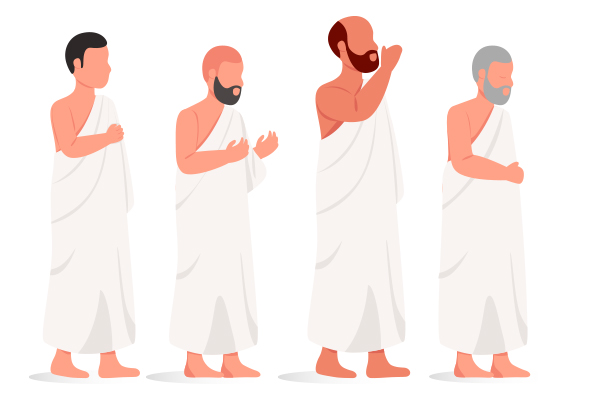
Congratulations, you are a guest of Allah (swt)
Prepare yourself in the best possible way, as you are about to visit the most sacred building in the world – the first Masjid built for the worship of Allah. It is highly recommended (Sunnah) to perform Ghusl (Bath/Shower) before wearing Ihram. Additionally, clipping your nails and removing excess body hair is advisable. Since you’ll be on an international flight, it’s best to complete these actions before leaving home. Men can also apply Attar (perfume) to their heads or beards etc, taking care not to let it come into contact with the Ihram garments.
Note: You can put on your Ihram garment beforehand (i.e., physically wearing it), but that does not mean you are in the “state of Ihram” yet. You only enter the “state of Ihram” when you make the intention at the Miqat point. If traveling by plane or train, aim to do so around 20-30 minutes prior to landing.
Remember once you enter into “State of Ihram” – you must not:
- Cut or pluck your hair
- Use perfume or scented items
- Wear any stitched clothes (men only)
- Cover your head (men only)
- Trim your nails
- Hunt animals
- Smoke or take drugs
- Engage in quarrel or fight
- Engage in sexual intercourse or propose marriage
- Wear shoes covering ankles (Men should wear slippers only)
You can use:
- A belt to carry personal belongings
- An umbrella for shade
- Prescription glasses
- A wristwatch
- A shoulder bag
Step 2. Change into your Ihram
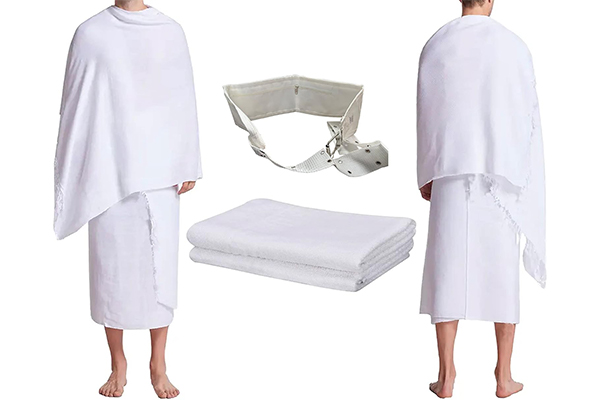
Men:
Men should wear two white sheets (Ihram): one wrapped around the waist and the other draped over the upper body. Slippers should be worn that do not cover the ankles, but hats, turbans, or any head coverings are not permitted.
Women:
Women may wear their usual modest clothing, but they must avoid wearing gloves or covering their face (unless in front of non-Mahram men if they usually wear niqab).
You must: Ensure you change into your Ihram attire before crossing the Miqat. If traveling by plane to Saudi Arabia, you should change into Ihram either at the airport before departure or during a stopover if applicable.
If you can: Try to combine the wearing of the Ihram with an obligatory or optional prayer.
Step 3. Make the intention for Umrah
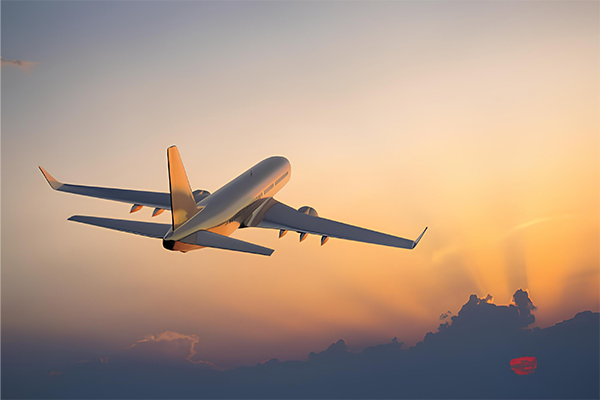
For those flying from abroad, the Miqaat point is passed about 20-30 minutes before landing (they usually make an announcement). This is the point at which one must make the intention for Umrah. If you haven’t already donned your Ihram garments, ensure you do so prior to this point.
Say:
لَبَّيْكَ اَللَّهُمَّ عُمْرَةً
Transliteration: Labbayk Allahumma Umrah.
Translation: Here I am O Allah making Umrah.
Optional: The Prophet (ﷺ) is also reported to have said:
اللَّهُمَّ هَذِهِ عُمْرَةٌ لاَ رِيَاءَ فِيْهَا وَلاَ سُمْعَة
Transliteration: Allāhumma hādhihi ‘Umrah , lā riyā’a feehā wa lā sum’ah
Translation: O Allāh this is an Umrah, there being no showing-off in it nor seeking repute
Step 4. Recite the Talbiyyah from this point onwards
Men should recite this in a loud voice while women should recite this softly.
لَبَّيْكَ اللهُمَّ لَبَّيْكَ – لَبَّيْكَ لَا
شَرِيْكَ لَكَ لَبَّيْكَ – إِنَّ الْحَمْدَ
وَالنِّعْمَةَ لَكَ وَالْمُلْكَ – لَا شَرِيْكَ لَكَ
Transliteration: Labbayka llāhumma labbayk(a), labbayka lā sharīka laka labbayk(a), inna l-ḥamda wa n-ni’mata, laka wa l-mulk(a), lā sharīka lak.
Translation: At Your service, Allah, at Your service. At Your service, You have no partner, at Your service. Truly all praise, favour and sovereignty are Yours. You have no partner.
Note: You should continue to say this until you reach Masjid al-Haram in Makkah, as the Prophet Muhammad (ﷺ) said: “When any pilgrim utters Talbiyah, then all that is to his right and left, whether it be stones, trees, or the earth, joins him in his statement until the end of the land in all directions.” (Sahih Muslim 1184)
Step 5. Entering the Masjid Al-Haram
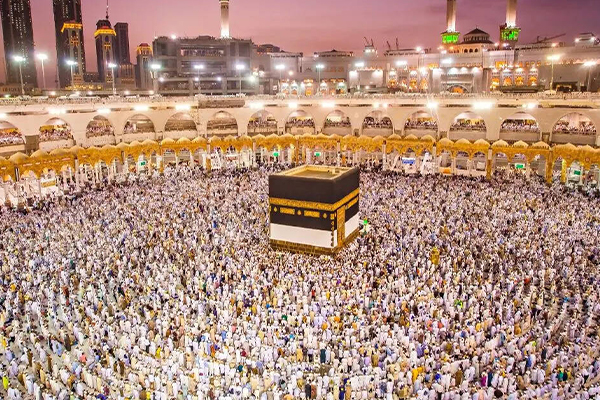
Enter the Masjid Al-Harām (the Sacred Mosque) with your right foot first and recite:
اللَّهُمَّ صَلِّ عَلَى مُحَمَّدٍ وَ سَلِّم
اللَّهُمَّ افْتَحْ لِي أبْوَابَ رَحْمَتِك
Transliteration: Allāhumma salli ‘alā Muhammadin wa sallim Allāhumma aftah-lee abwāba rahmatika.
Translation: O Allāh, send peace upon Muhammad. O Allāh open the doors of Your Mercy for me.
Avoid distractions from devices and the busy crowds. Rather focus on your Lord and the significance of your journey.
Step 6. Performing Tawaf
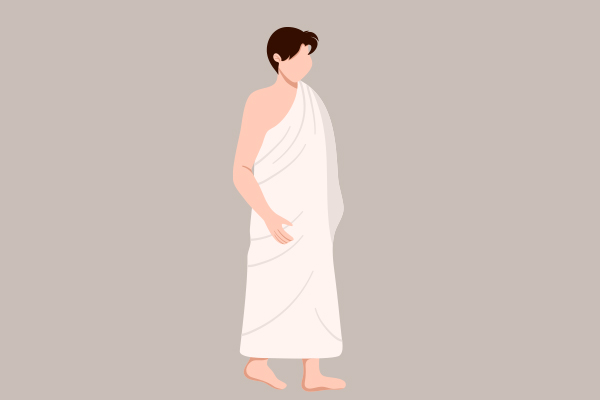
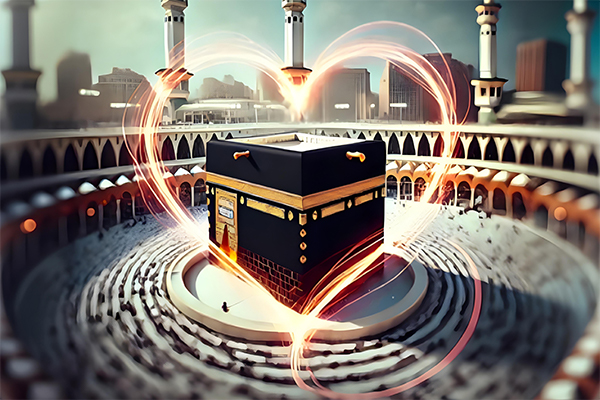
Make sure you are in a state of Wudu and walk towards the Mataf area (i.e. where people are walking around the Ka’bah)
Men: Uncover your right shoulder (known as iztiba’) before starting Tawaf.
Step 7. Start Tawaf
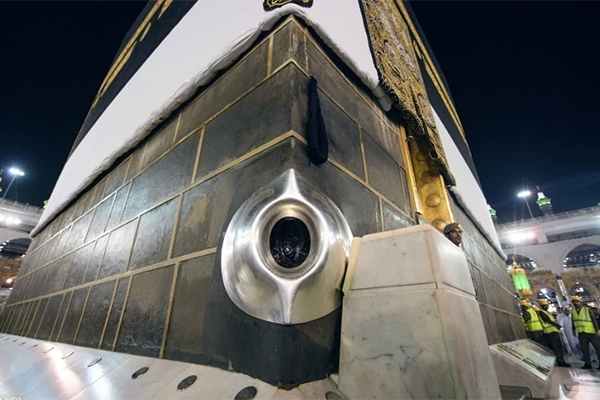
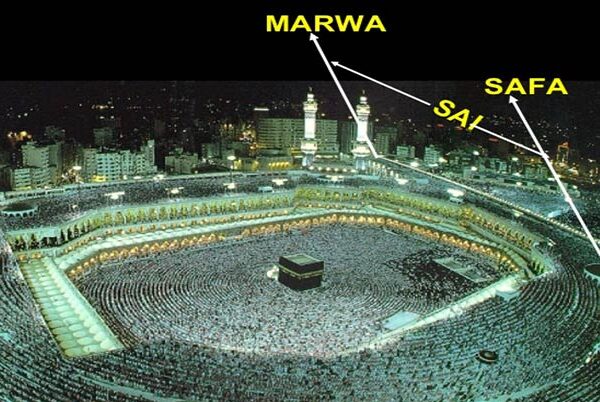
Start at Al-Hajr Al-Aswad (the Black Stone) – If you look to your right (away from the Ka’bah) you will see green-fluorescent light. This is your starting point.
Action: Try touching the Black Stone (or kissing it) and if you cannot, make a sign with your right hand towards it, and say:
بِسْمِ ٱللَّٰهِ اللَّه أكْبَر
Transliteration: Bismillah Allahu Akbar
Translation: In the name of Allah, Allah is the Greatest.
Note: You will complete 7 tawafs (circuits). On the first three circuits, it is recommended for the men to perform Raml, which is the practice of walking briskly.
Say: You can make any supplication, say words of Dhikr or recite Qur’an – it is your choice. You are currently in front of Allah the Creator of the Universe – talk to Him, pray to Him, praise Him, glorify Him and ask Him for forgiveness.
Step 8. Yemeni corner
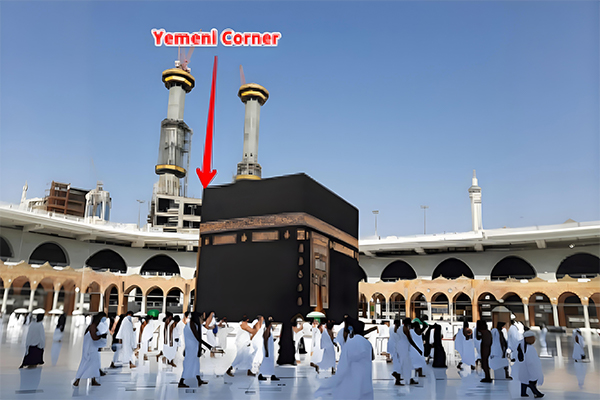
Each time you pass the Yemeni corner of the Ka’aba (the corner before the corner of the Black Stone),
Recite:
رَبَّنَا آتِنَا فِي الدُّنْيَا حَسَنَةً وَفِي
الْآخِرَةِ حَسَنَةً وَقِنَا عَذَابَ النَّارِ
Transliteration: Rabbanā ātinā fi d-dunyā ḥasanatan wafi l-ākhirati ḥasanatan wa qinā ‘adhāba n-nār.
Translation: O our Lord, grant us the good of this world, the good of the Hereafter, and save us from the punishment of the fire.
Step 9. Complete 7 Circuits
Note: Ensure you complete 7 circuits counting the first one after you had completed the tawaf, not counting it from the beginning.
Step 10. After Tawaf
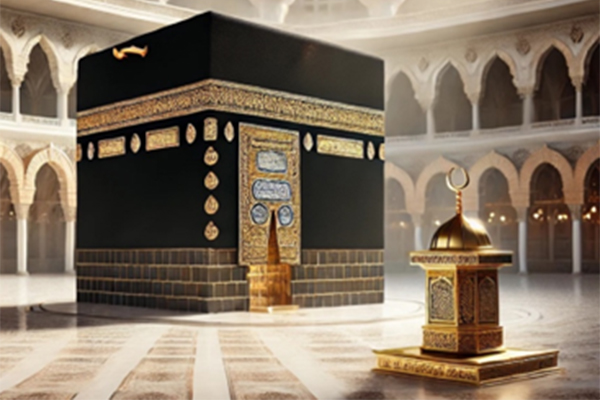
After completing Tawaf, proceed to the Maqam Ibrahim (Station of Abraham) and recite the following verse (men should cover both shoulders at this point):
وَاتَّخِذُوا مِنْ مَقَامِ إِبْرَاهِيمَ مُصَلًّى
Transliteration: “Wattakhidhu min maqāmi Ibrāhīma muṣalla.”
Translation: “And take the Maqam Ibrahim as a place of Salah.”
Pray: Pray 2 Rak’ahs behind the Maqam Ibrahim if possible, otherwise as close as possible. In the first Rak’ah recite Sūrat Al-Kāfirūn and in the second Rak’ah recite Sūrat Al-Ikhlās.
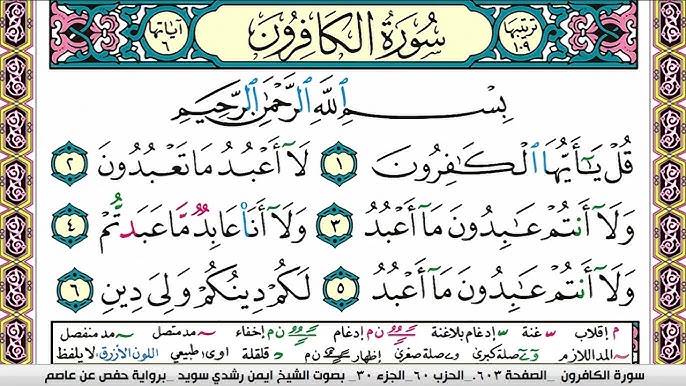
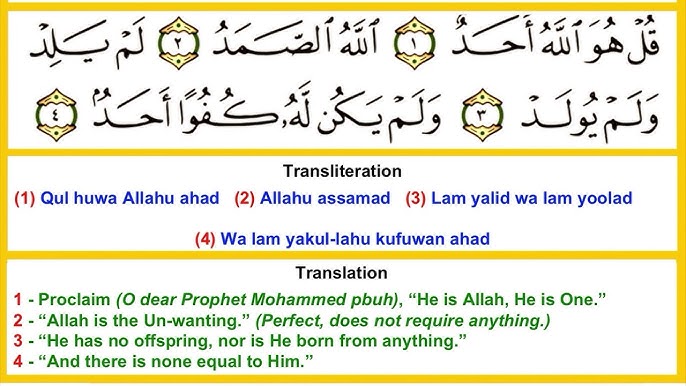
You can recite any other Surah if you wish, but its Sunnah to recite Al-kafirun in the first Rakah and Al-Ikhlas in the second.
Step 11. Drink Zamzam
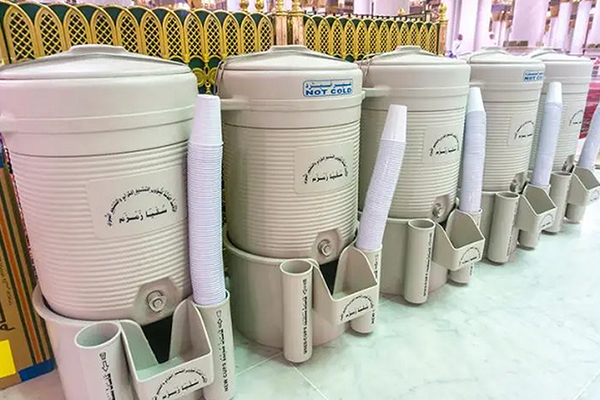
Then go to the Zamzam taps and drink from it and pour some of the water over your head. Make plenty of supplication for good when drinking Zamzam.
The Prophet (ﷺ) is reported to have said “It (Zamzam) is blessed, it is nourishment that satisfies and a cure for sickness.” (Sahih Muslim)
Step 12. Make your way to Mount Safa
Make your way to Mount Sa’fa as you ascend towards Sa’fa recite the following:
إنَّ الصَّفَا وَالْمَرْوَةَ مِنْ شَعَآئِرِ
اللَّهِ فَمَنْ حَجَّ الْبَيْتَ أوِ اعْتَمَرَ
فَلاَ جُنَاحَ عَلَيْهِ
أنْ يَطَّوَّفَ بِهِمَا وَمَنْ تَطَوَّعَ
خَيْراً فَإنَّ اللَّهَ شَاكِرٌ عَلِيْم ‐
نَبْدَأ بِمَا بَدَأ اللَّهُ بِهِ
Transliteration: Innas-Sa’fa wal-Marwata min sha’ā ‘irillāh faman hajjal-baita au wi’tamara falā junāha ‘alaihi an yattawwafa bihimā wa man tatawwa’a khairan fa innallāha shākirun ‘aleem. Nabda’u bimā bada’ Allāhu bihi.
Translation: Verily! Sa’fa and Marwah are from the signs of Allāh. So he who performs Hajj or ‘Umrah of the House, there is no harm upon him to the walk between them. And whoever does good voluntarily verily Allāh is Appreciative and Knowing – I begin with what Allah begins with.
Proceed to climb Mount Sa’fa, face the Ka’bah if possible, and make any personal supplication and Du’a you wish. you can repeat this du’a each time you ascend Sa’fa and Marwah
Step 13. Upon reaching Safa
Face the direction of the Ka’bah and say:
اللَّهُ أكْبَرُ، اللَّهُ أكْبَرُ، اللَّهُ أكْبَرُ
Transliteration: Allāhu akbar, Allāhu akbar, Allāhu akbar.
Translation: Allāh is the Greatest, Allāh is the Greatest, Allāh is the Greatest.
Then recite:
لاَ إلَهَ إلاَّ اللَّهُ وَحْدَهُ لاَ شَرِيْكَ لَهُ،
لَهُ الْمُلْكُ وَ لَهُ الْحَمْدُ يُحْيِي وَ يُمِيْتُ وَ هُوَ عَلَىكُلِّ شَيْءٍ قَدِيْر؛
لاَ إلَهَ إلاَّ اللَّهُ وَحْدَهُ لاَ شَرِيْكَ لَه، أنْجَزَ وَعْدَهُ وَ نَصَرَ عَبْدَهُ وَ
هَزَمَ الأحْزَابَ وَ حْدَهُ
Transliteration: Lā ilāha illallāh wahdahu lā shareekalah, lahul mulk, wa lahul-hamd, yuhyee wa yumeet—wa huwa ‘alā kulli shay’in qadeer. Lā ilāha illallāh wahdahu lā shareekalah, anjaza wa’dahu, wa nasara ‘abdahu, wa hazamal ahzāba wahdah.
Translation: There is none worthy of worship except Allāh alone, without partner. To Him belongs all sovereignty and all praise. He alone gives life and death—and He is All-Powerful over everything. There is none worthy of worship except Allāh alone, without partner. He has fulfilled His promise, aided His servant, He alone has defeated the confederates.
He has fulfilled His promise. He is alone worthy of worship except Allah alone, without partner. He has truly promised His servant, granted victory to His servant, and He alone defeated the confederates. (Continue with any additional statements from your reference.)
Supplicate: Now supplicate whatever du’a you wish. You can make any personal supplication here.
Note: You will walk back and forth between Safa and Marwah 7 times (counting a circuit every time you ascend on either Safa or Marwah – you should end on the 7th circuit on Marwah)
Step 14. Between the Green Lights
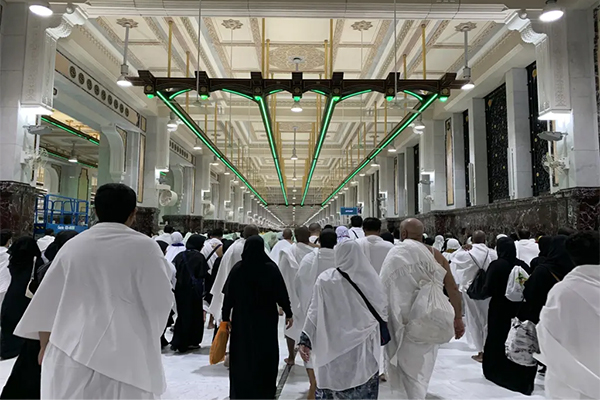
Upon encountering the green lights between the two hills, Men only should run from the beginning of the green light to the end.Women should continue walking normally. This symbolize the striving Hajar (may Allah be pleased her).
Tip: Maintain your dhikr or du’a during this portion as well, remembering the story of Prophet Ibrahim’s hajar and her faith in Allah’s plan.
Step 15. Complete 7 circuits (Sa'i)
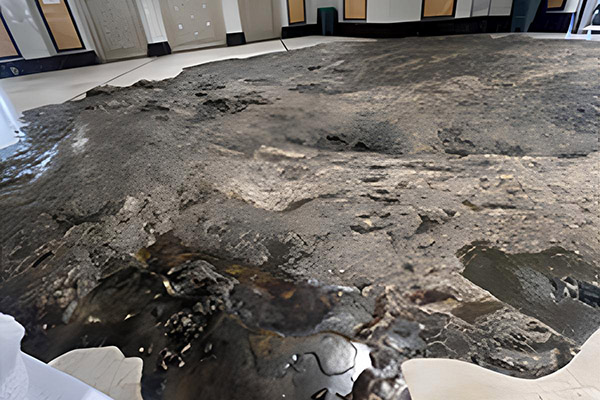
You will walk back and forth between Safa and Marwah 7 times (counting a circuit every time you ascend on either Safa or Marwah – you should end on the 7th circuit on Marwah).
Please note: This is a time for prayer and reflection, asking Allah (swt) for what you need. Recite personal duas, Dhikr, or Qur’anic ayat as you walk.
This is a re-enactment of Hajar’s search for water for her son, Ismail.
Step 16. Shaving or Cutting Hair
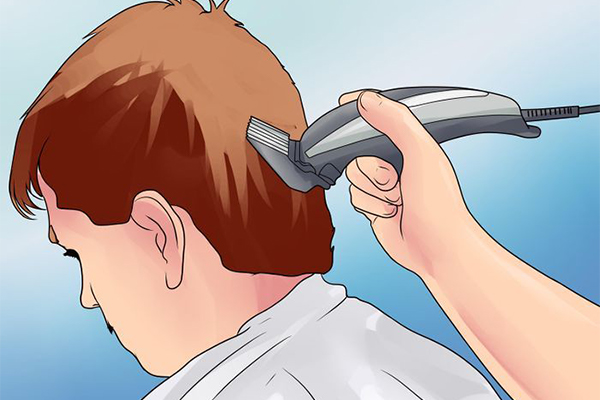
Completing Umrah requires ending the Ihram state by removing your hair:
Shaving/Trimming Hair (Fard):
For Men: Shaving the head is highly recommended (Sunnah), but trimming is also allowed. The Prophet (ﷺ) prayed for forgiveness three times for those who shave their heads highlighting its greater reward than trimming the hair.
Shaving the head is considered more virtuous for men as an act of humility before Allah, symbolizing a fresh start and spiritual renewal.
For Women: Trim a small portion (approximately one inch) of hair from the end.
With this, the Umrah is complete, and you may exit the state of Ihram and resuming everyday activities.
Your Umrah is now complete – Mubarak!
May Allah accept your Umrah and May He answer all your Duas (ameen). Please also pray for us at the Qur’an Project – that Allah accepts our work and bless us with Jannah tul Firdaus without reckoning (ameen).


